Tag Archives: ian

2026 in 2026: Jan Ullrich in reverse

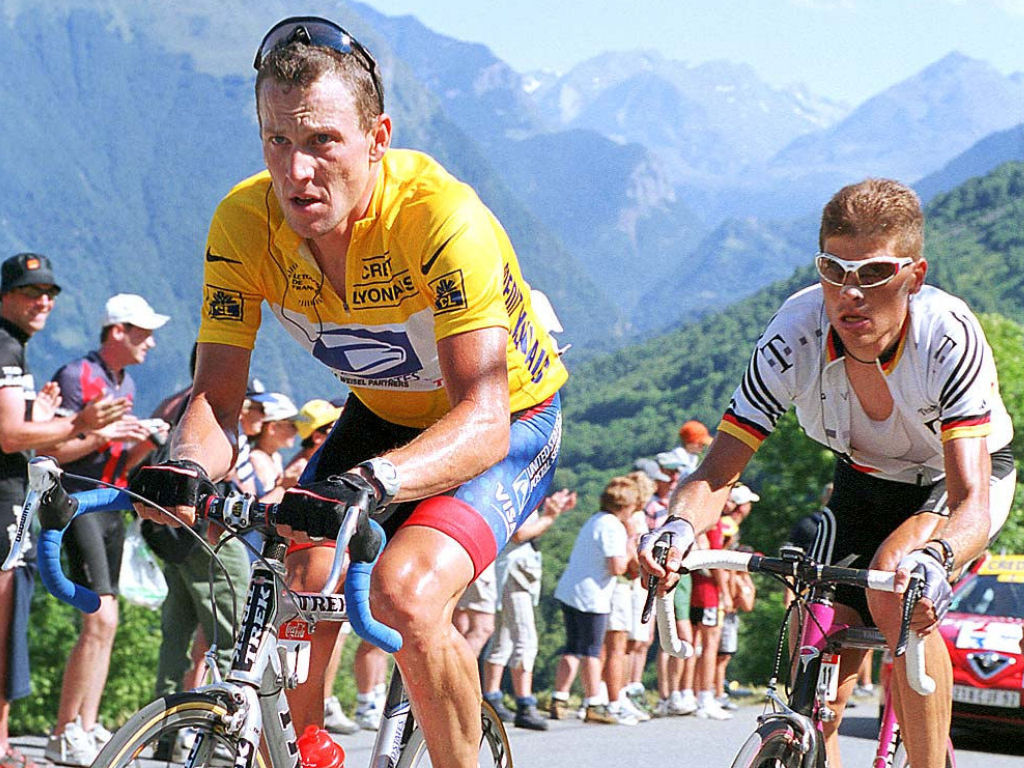
This week I’ve been re-reading Daniel Friebe’s biography of Jan Ullrich, The Best There Never Was. Ullrich was an interesting character. East German, and a somewhat reluctant standard bearer for cycling in unified Germany, he was a powerful rider, with masses of potential, who ultimately spent most of his career riding in Lance Armstrong’s long shadow. Ullrich won the 1997 Tour de France aged 23 but never went on to win it again.

In Friebe’s book, the bit that really stands out for me is the description of Ullrich’s off-season.

Ullrich took the concept of an off-season to extremes. He would kick back and completely relax off the bike in winter, swinging from his race-ready Tour weight of 73kg to ten or more kilos heavier over winter. This included — according to cycling legend — a penchant for microwaving jars of Nutella and drinking the contents like hot chocolate through a straw.

Ullrich’s off-season has got me thinking about my own approach to taking time away from running as we move into summer here in the UK. I think I may be Jan Ullrich, but in reverse.
Athlete Development Plan for Power Athletes: Sprints and 800

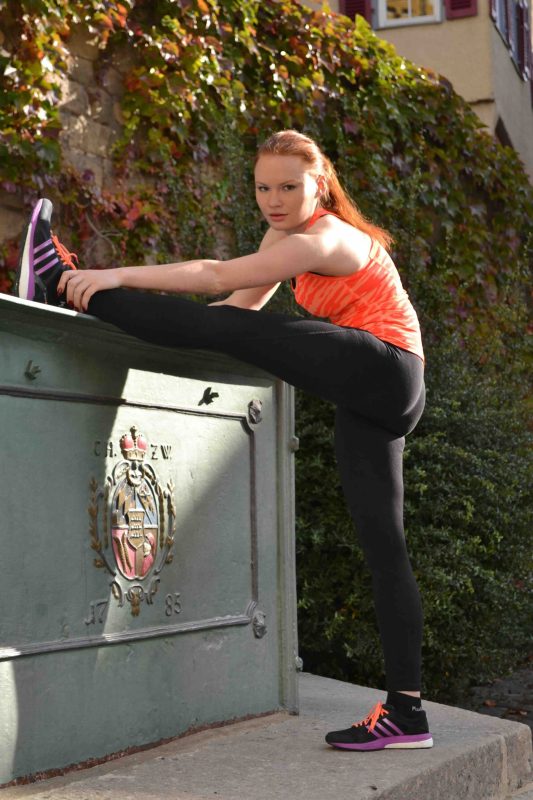
We have a number of junior athletes who are physiologically sprinters (powerful, fast-twitch dominant, and can muscle through a 150/200m) but who wish to run the 800. The goal for these athletes is to sharpen sprint speed (faster turnover, cleaner sprint mechanics) while building aerobic capacity for the 800 so they have a second gear. This involves teaching them to run relaxed with pace rather than fighting against it.

2026 in 2026: Spen 20 and Liversedge Half

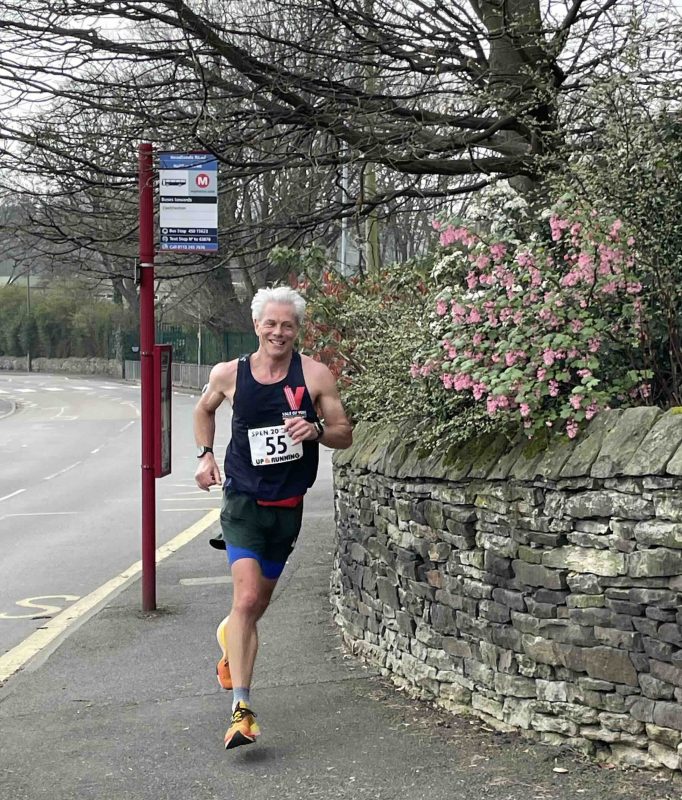
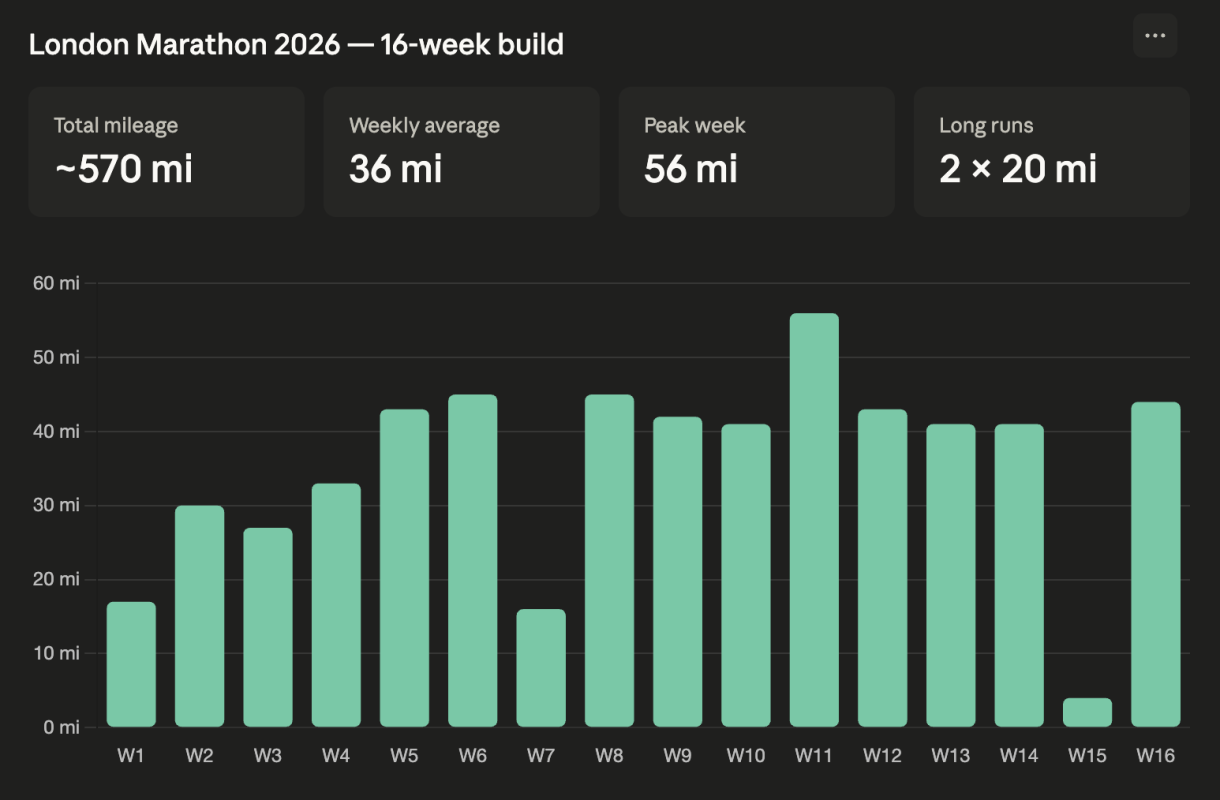
During March, as part of my 2026 miles in 2026 project, I took in two races. Two very hilly races, and important milestones on my road to the London Marathon on 26 April.

The first was the Liversedge Half Marathon on 1 March, which also happened to be my 59th birthday. A birthday treat of 13.1 miles felt about right. The race starts in Roberttown, just up the road from Spen Valley Stadium, Princess Mary Stadium, where we compete for West Yorkshire Track and Field. It was the 30th running of the Liversedge Half and my first time doing it in those 30 years. It had a good community feel about it. Registration was in a village hall, the community had come together to host it, and although the roads weren’t fully closed, there was a closed start before opening out onto a mixture of road, pavement, and the odd grass verge. Challenging terrain, and challenging topology too.

The art of parkrun pacing

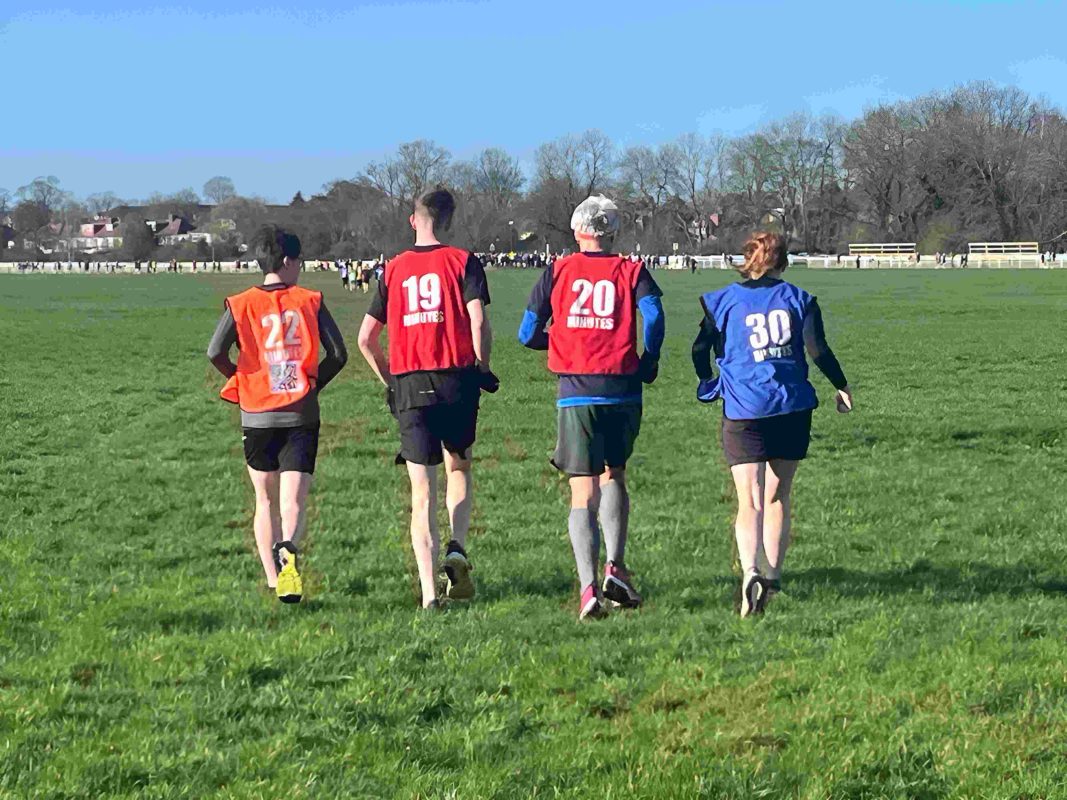
Four parkrun pacers wearing numbered bibs (22, 19, 20, and 30 minutes) running together across an open grass field at York parkrun, with trees and houses visible in the background under a clear blue sky.

Vale of York members helped the University of York Athletics and Running Club with a volunteer takeover of York parkrun on 14 March. We filled a number of volunteer roles on the day including pacing.

Pacing is absolutely the key to a good parkrun time. Go out too fast and you’re doomed to underperform. Meter out your resources effectively from the start to the finish line and you’ll stand the best chance of achieving your time goal and fulfilling your running potential.

Illness, Planning, and Containment

I’ve been full of a cold since last Wednesday when I led a 300-600-300 wave interval session in the pouring rain at Bubwith. It’s likely my immune system was under strain anyway due to back-to-back 40-mile weeks and a 19-mile-long run the previous weekend.

As a result of the cold, which has been accompanied by a fever, I have had to curb all running, including missing the last of the PECO cross country race on Sunday. Running would have been reckless, and this year is supposed to be about thinking longer term for me — towards London in April and, more importantly, towards longevity of fitness and health.

2026 Miles in 2026 — A Consistency Project

I’m attempting to run 2026 miles in 2026. I’ve never managed to run the year in miles before. The closest I’ve come was in 2022, when I ran just over 1,800 miles — that also happened to be the year I ran my sub-3 marathon at Boston. That was a good year, but I’ve never actually broken 2,000 miles across a calendar year and would like to make a serious attempt in 2026.

More than Medals: Building Camaraderie in Children’s Track and Field Athletics

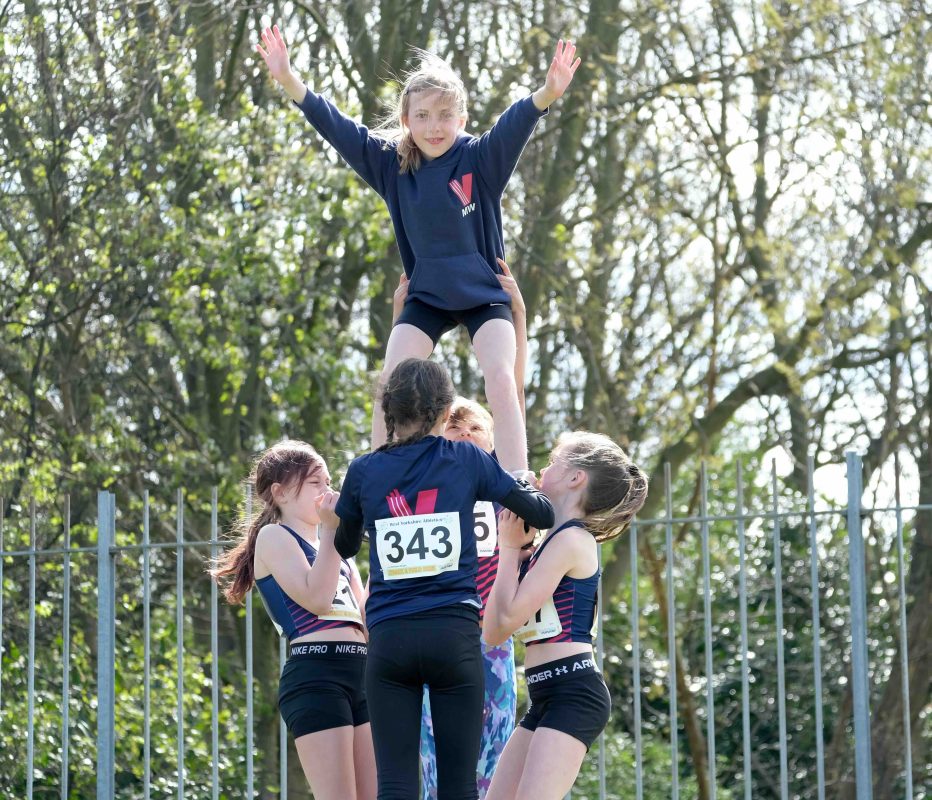
Vale of York Cheerleading Pyramid

Yesterday marked the first meet of the West Yorkshire Track and Field League series for 2025. For my daughter, like many young athletes facing first-time athletics competition, it brought understandable nerves.

While she had cross-country experience, track and field athletics presents unique pressures: the feeling of being individually watched, the vulnerability of competing alone, and the technical uncertainties of starts and jumps. Moments like these can trigger anxieties and fear of failure, but can also build confidence and improve self-esteem.

I am a strong believer that positive and negative outcomes from competition are facilitated by parents, coaches, officials, volunteers, clubs and event promoters. The West Yorkshire Track and Field League does a great job of providing structured but relaxed competition that serves as a great introduction to track and field athletics for young people in our region.