

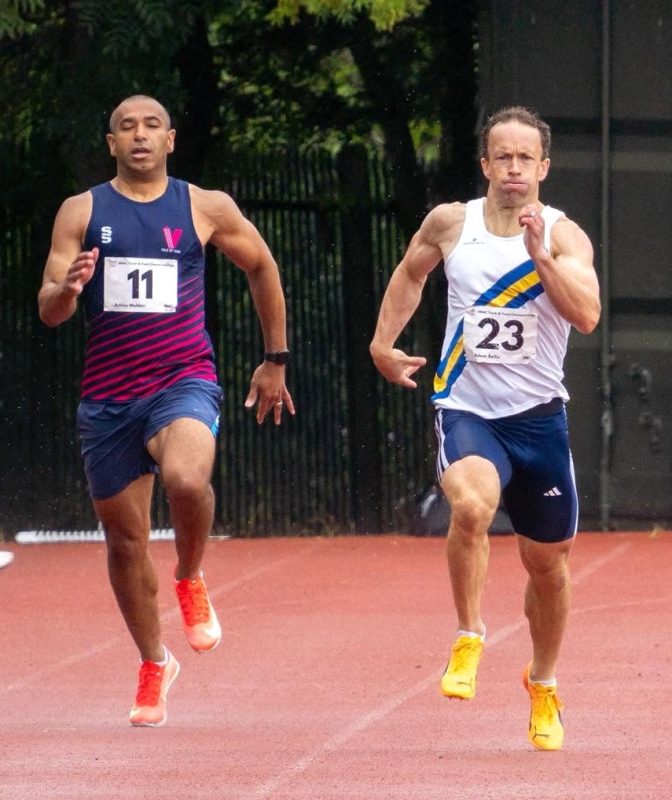
Congratulations to Ash Walden, Northern Masters M40 400 metre champion 2026. Ash ran one lap of the Trafford track last month in a M40 personal best time of 56.47 and is now rapidly closing in on his season’s goal of sub-56 seconds. Pushing Ash every step of the way this season have been fellow Vale […]
31
Jul
Jul
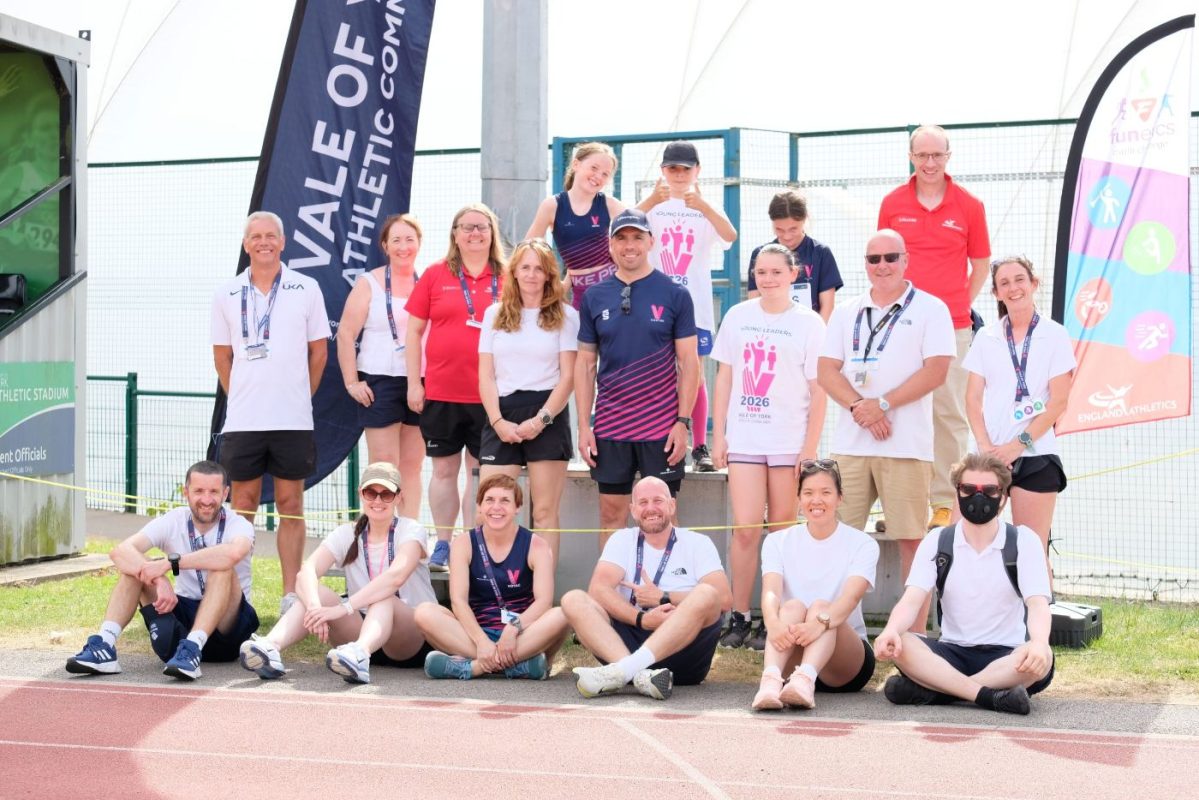
We delivered our first full-scale athletics meet at the University of York Athletics Stadium on the afternoon of Saturday 27 June. The meet was a pilot of England Athletics’ new Funetics Multi Challenge (FMC) format that is the future of local U10 and U12 athletics competition. Vale of York was chosen to pilot the format […]
09
Jul
Jul
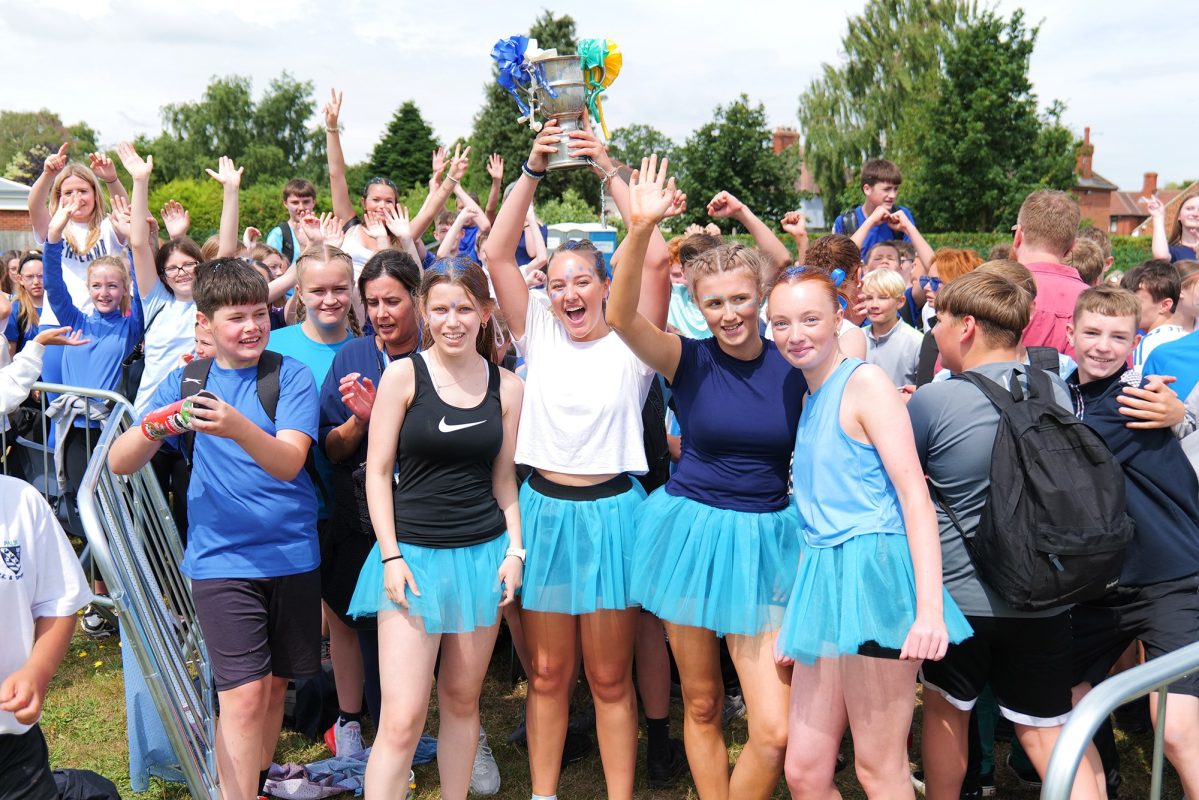
Selby High School’s sports day report was co-written by former Vale of York athlete Merryn Collins, and features Isaac Nutbrown, Amelia Bennett and Niamh Senior.
01
Jul
Jul
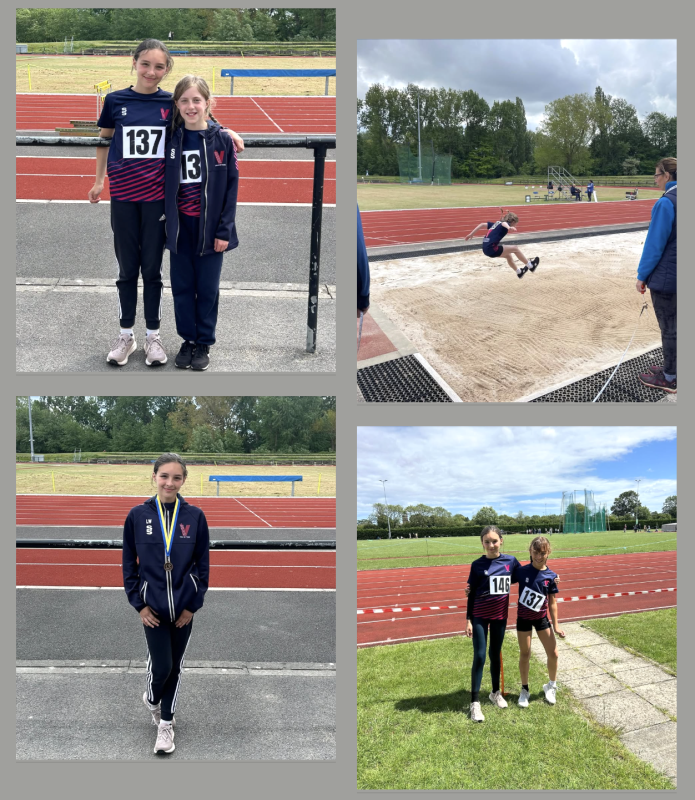
Six competitors across two Humber open meets have produced some fantastic results. Three under-12s competed in the triathlons (sprint, jump, throw) at Meet 2. Reuben set a personal best (PB) in the 75m followed by a strong PB in the howler, throwing over 20m. Molly also ran a PB in a strong 75m to finish […]
10
Jun
Jun
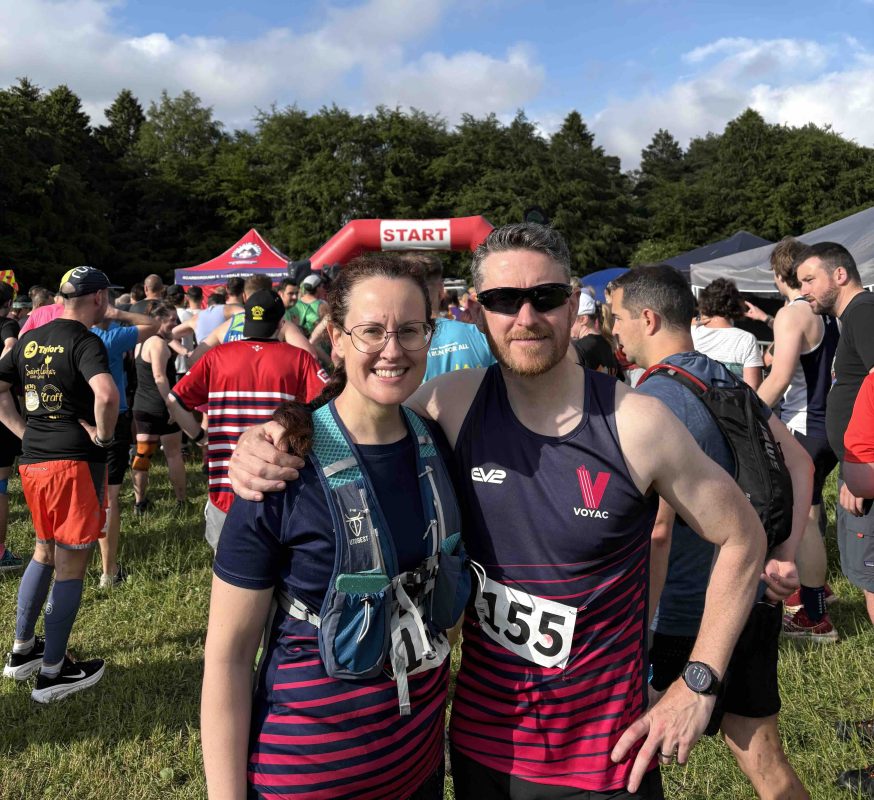
Back in 2024 I attempted Dalby’s Inferno and managed 8 out of the 10 laps. The laps are now 5.5km around the beautiful Dalby forest and feature a mix of running conditions including some quite steep trail. Training for Dalby is tough in Selby as we have no hills and this was definitely what I struggled with the first time around. At the end I resolved that I would try again […]
05
Jun
Jun
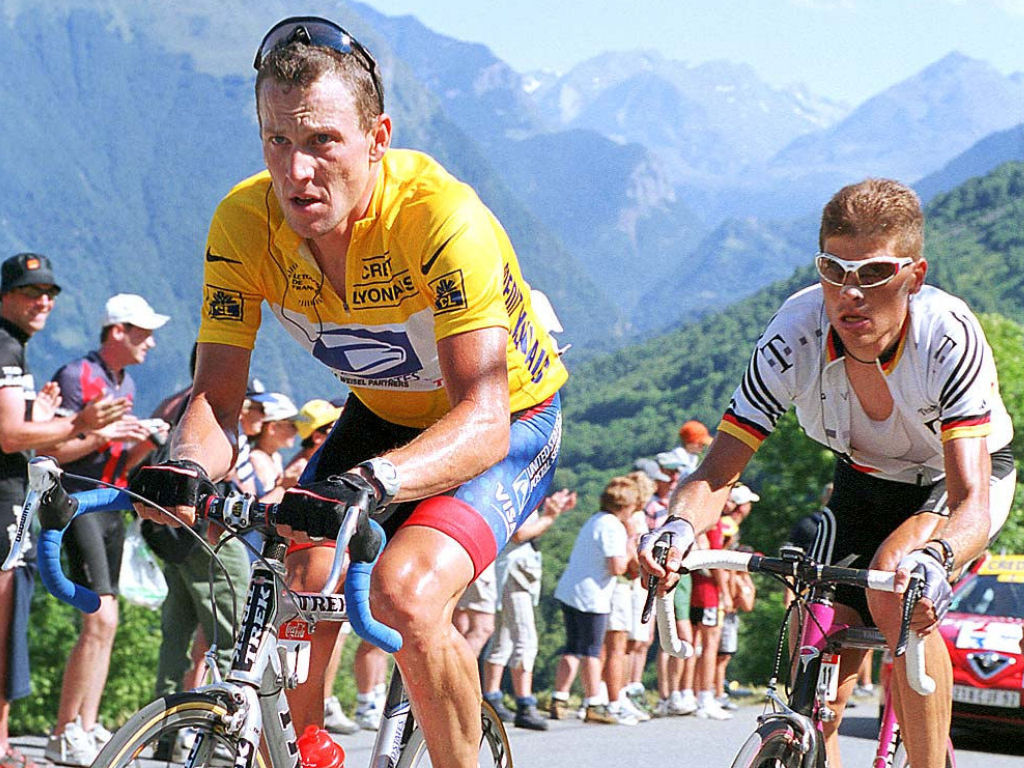
This week I’ve been re-reading Daniel Friebe’s biography of Jan Ullrich, The Best There Never Was. Ullrich was an interesting character. East German, and a somewhat reluctant standard bearer for cycling in unified Germany, he was a powerful rider, with masses of potential, who ultimately spent most of his career riding in Lance Armstrong’s long shadow. Ullrich won the 1997 Tour de France aged 23 but never went on to win it again.
In Friebe’s book, the bit that really stands out for me is the description of Ullrich’s off-season.
Ullrich took the concept of an off-season to extremes. He would kick back and completely relax off the bike in winter, swinging from his race-ready Tour weight of 73kg to ten or more kilos heavier over winter. This included — according to cycling legend — a penchant for microwaving jars of Nutella and drinking the contents like hot chocolate through a straw.
Ullrich’s off-season has got me thinking about my own approach to taking time away from running as we move into summer here in the UK. I think I may be Jan Ullrich, but in reverse.
05
Jun
Jun
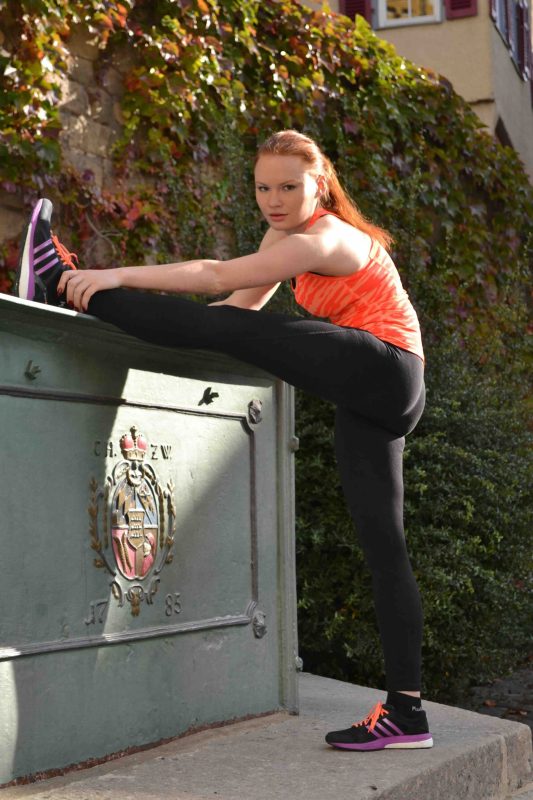
We have a number of junior athletes who are physiologically sprinters (powerful, fast-twitch dominant, and can muscle through a 150/200m) but who wish to run the 800. The goal for these athletes is to sharpen sprint speed (faster turnover, cleaner sprint mechanics) while building aerobic capacity for the 800 so they have a second gear. This involves teaching them to run relaxed with pace rather than fighting against it.
18
May
May
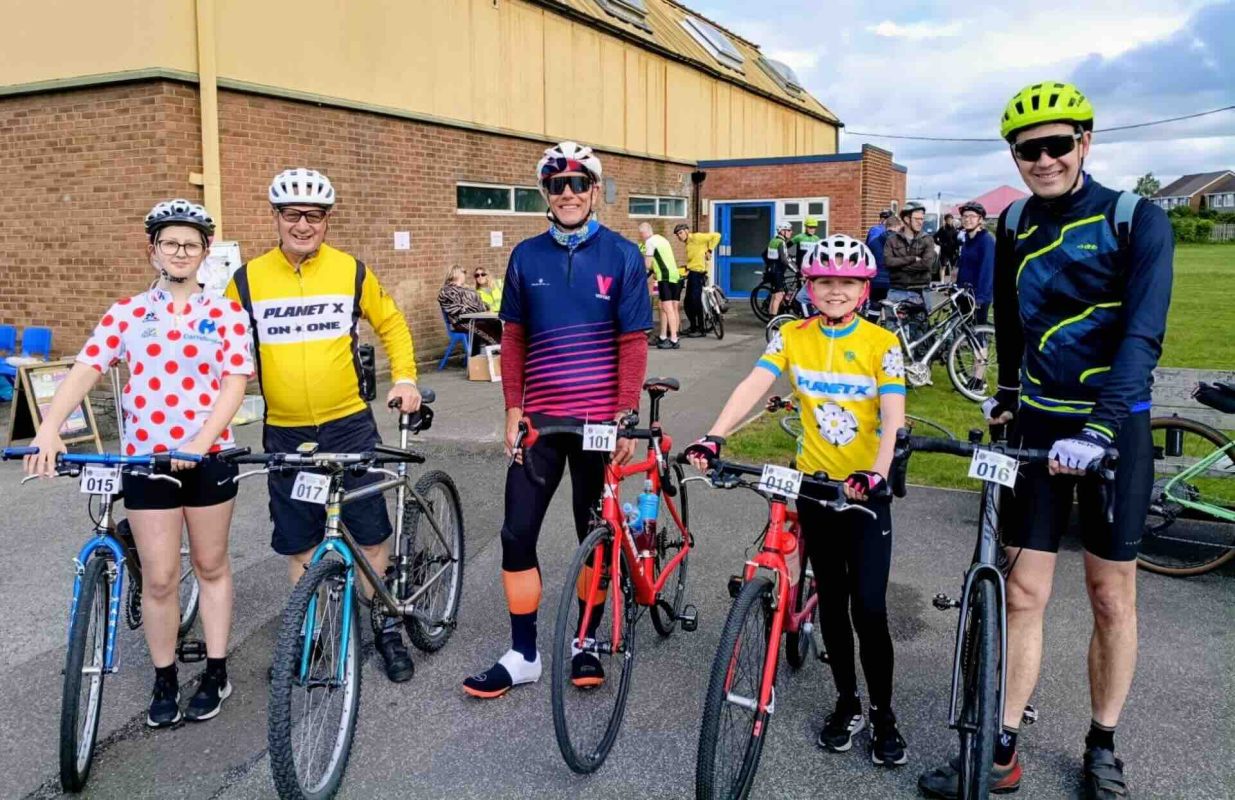
This Sunday’s Great Selby Bike Ride brought out one of Vale of York’s most varied group of riders yet. In the VOYAC peloton were three generations of Wigglesworths, Alan Sanderson (a.k.a Clara and Megan’s dad), and me (looking for more miles en route to Vatternrundan 2026). Our six riders were spread across two routes (25 and 45 miles) and united by their enjoyment of cycling and turning up to local events.
Before the official start at 10.00, there was time to soak up some May sunshine and have a chat with local MP Keir Mather, who was lining up for the 25-mile route himself. Over 100 riders took part in the annual event, organised by Elmet Lions and raising money for local charities.
11
May
May
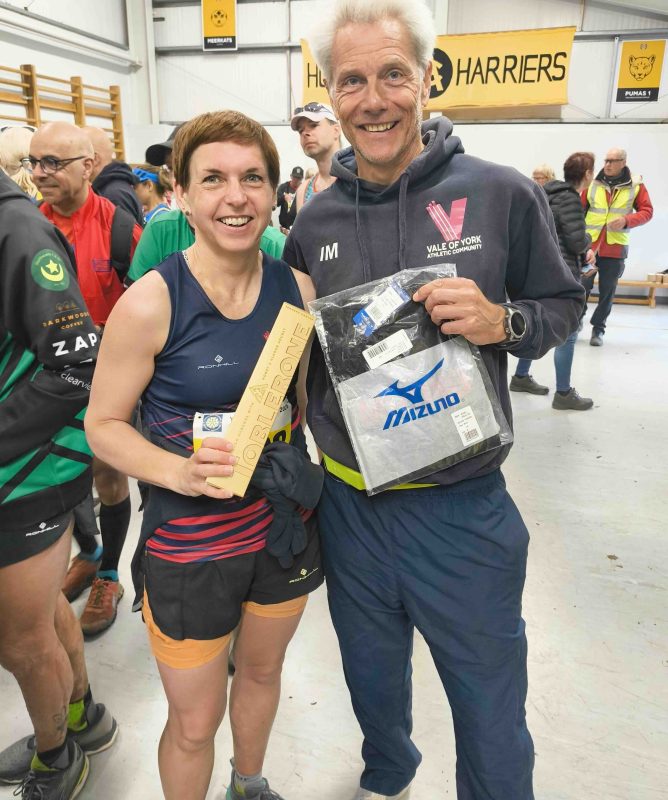
It was great to be back with the Yorkshire Veterans Athletics Association (YVAA) community after the long winter layoff. As one runner remarked, “You feel like wishing everyone happy new year, then remember it’s April”. These masters runners hadn’t gathered since last autumn’s final race of the series at Ackworth, so the first YVAA Grand Prix of the season really does feel like a meeting of long-lost friends.
The first of ten multi-terrain Grand Prix races was hosted, as it is every year, at Honley by Holmfirth Harriers. The course is testing and hilly, with 1200 ft of total elevation up and down the Pennine hills. There are some tricky technical sections akin to a fell race that can at times take your mind away from soaking up the beautiful views. And there are llamas, which you don’t often see in the Pennines.
09
May
May
I can’t quite believe it’s been 5 months since Andy Sim surprised me at Selby Leisure Centre by pulling my name out of the actual London Marathon Ballot hat!
Since then, Vale of York women have been promoted at PECO, I’ve moved house, we’ve relocated athletics outdoors and introduced Bubwith as one of our new training locations.
So here we are, my final London Marathon blog.